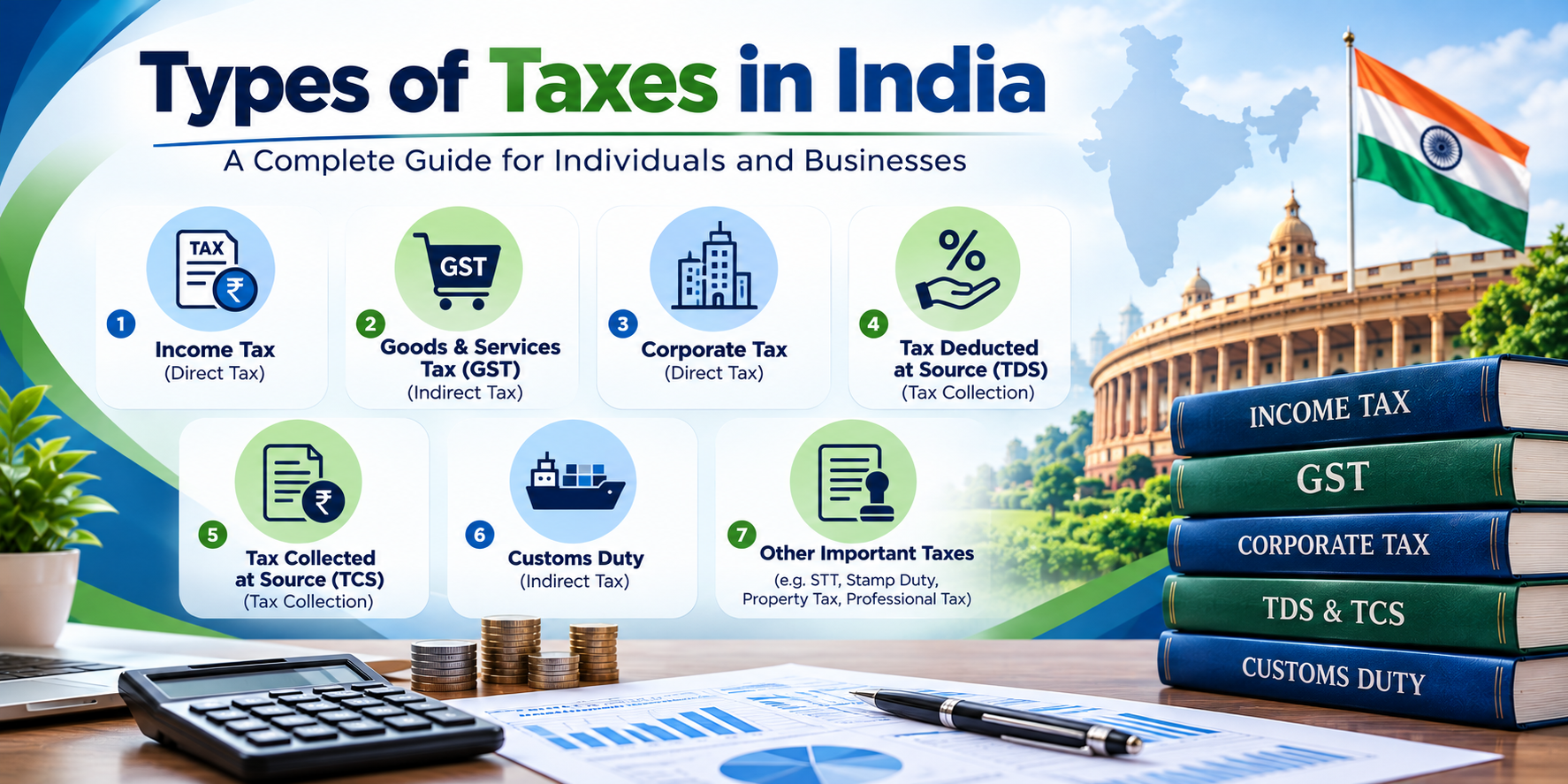
Taxes are a part of everyday life, whether we realise it or not. From the income we earn to the products we purchase, different taxes apply to different activities. For business owners, understanding these taxes is especially important because tax compliance is closely connected with accounting, cash flow and business planning.
The Indian taxation system includes several types of taxes imposed by the Central Government, State Governments and local authorities. Some taxes apply to income and profits, while others apply to the sale of goods, services or specific transactions.
In this article, we explain the major types of taxes in India, how they work and what individuals and businesses should know about them.
What Is Tax?
A tax is a compulsory payment collected by the government under the law. The money collected is used to support public services and infrastructure, including roads, hospitals, schools, public transport and national security.
The responsibility for collecting taxes is shared between different levels of government. The applicable tax depends on the nature of the income or transaction, the taxpayer’s circumstances and the relevant legislation.
Broadly, taxes in India are divided into two categories: direct taxes and indirect taxes.
1. Income Tax
Income tax is one of the most familiar types of taxes in India. It generally applies to the taxable income of individuals and other taxpayers, subject to the provisions of the applicable income-tax law.
People may earn income from different sources, including salary, business profits, professional services, house property, capital gains and other income.
The amount of tax payable depends on factors such as taxable income, the applicable tax regime, eligible deductions and exemptions, and the taxpayer’s circumstances.
Example: A salaried employee may have tax deducted by their employer every month. A freelancer or consultant, on the other hand, may need to calculate tax on professional income and pay advance tax if the applicable conditions are met.
Income-tax compliance may involve filing an Income Tax Return (ITR), paying tax on time, maintaining supporting documents and checking whether advance tax is applicable.
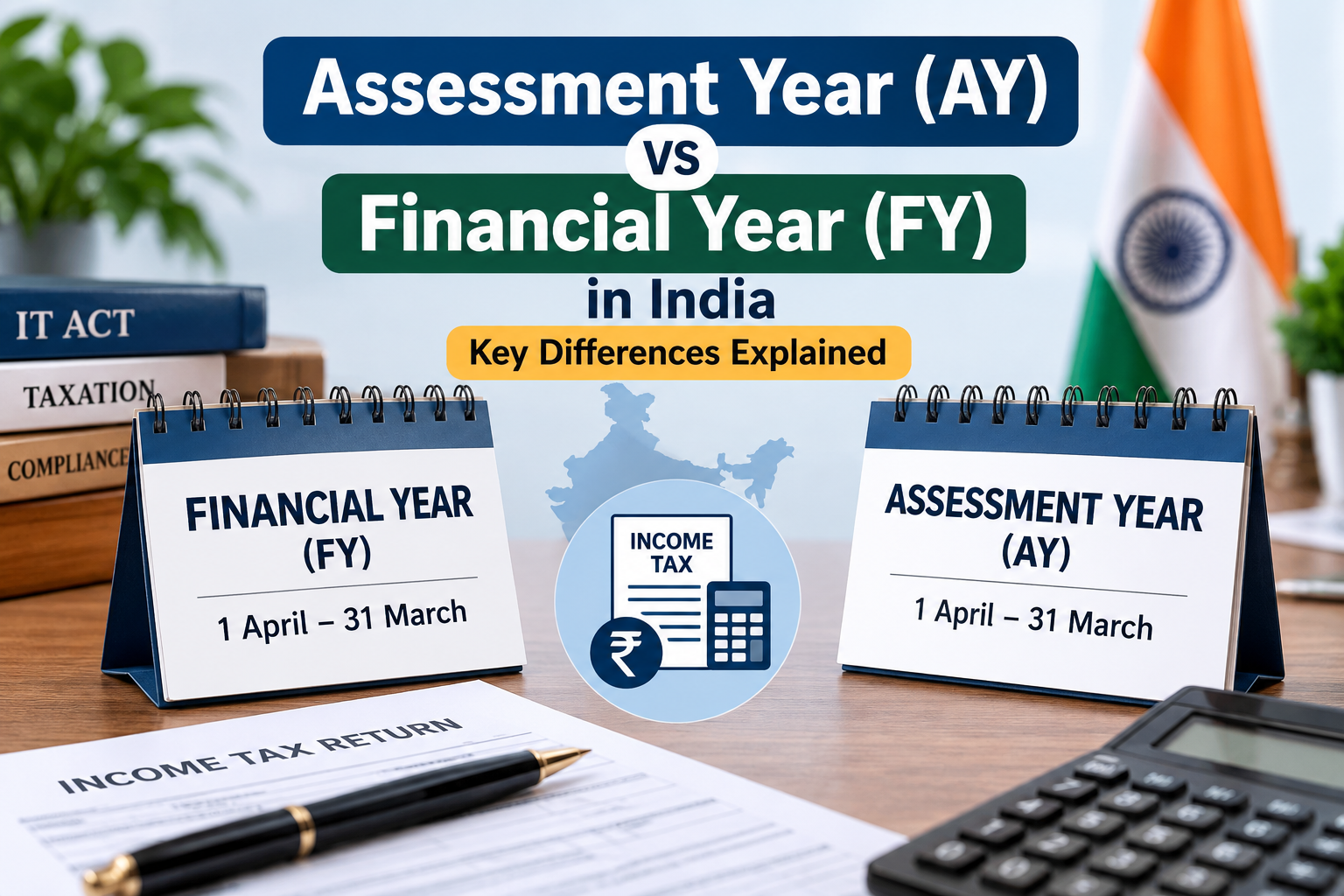
Individuals should also understand the difference between the financial year in which income is earned and the assessment year associated with reporting that income under the applicable rules.
2. Goods and Services Tax (GST)
Goods and Services Tax, commonly known as GST, is an indirect tax on the supply of goods and services. It brought several earlier central and state indirect taxes into a more unified tax framework.
GST is relevant to many businesses, including traders, manufacturers, service providers, restaurants and online sellers. However, registration and compliance requirements depend on the nature of the business, turnover, type of supply and applicable exemptions.
The main components of GST are:
- CGST: Central Goods and Services Tax, generally applicable to eligible supplies within a state alongside the corresponding state or union territory tax.
- SGST: State Goods and Services Tax, applicable to eligible intra-state supplies.
- IGST: Integrated Goods and Services Tax, generally applicable to inter-state supplies and certain other transactions.
- UTGST: Union Territory Goods and Services Tax, applicable to eligible supplies within specified union territories.
Example: A Bengaluru-based business selling taxable goods to a customer in Karnataka will generally charge the applicable CGST and Karnataka SGST. A taxable sale to a customer in another state may attract IGST, depending on the transaction.
GST compliance does not end with collecting tax from customers. Registered businesses may also need to issue proper invoices, maintain records, reconcile input tax credit, pay tax and file returns within the prescribed time limits.
Errors in GST returns can affect input tax credit and create unnecessary compliance work. Regular reconciliation between books of account, sales records and GST returns can help businesses identify discrepancies early.
3. Corporate Tax
Corporate tax is a direct tax on the taxable income of companies under the applicable income-tax provisions.
Private limited companies, public companies and other eligible corporate entities must calculate their taxable income according to the rules applicable to them. Their tax liability may vary depending on the applicable tax regime, eligibility for concessions and other statutory conditions.
A company’s accounting profit and taxable profit are not always the same. Certain expenses may require adjustments, and some deductions or allowances may be available only when specific conditions are satisfied.
Example: A private limited company may report a profit in its financial statements. Before calculating its tax liability, it must determine its taxable income after making the adjustments required under tax law.
Companies should maintain proper books of account, prepare financial statements, review tax payments and file the appropriate income-tax return. Advance tax obligations must also be considered where applicable.
Good accounting records make this process easier and help management understand the company’s financial position.
4. Tax Deducted at Source (TDS)
Tax Deducted at Source, or TDS, is a method of collecting tax in which the person making a specified payment deducts tax before paying the recipient, where required by law.
TDS provisions may apply to salary, interest, rent, professional fees, contractor payments and other specified payments. The applicable rate and threshold depend on the relevant provision and the circumstances of the transaction.
Example: Suppose a business pays professional fees to a consultant. If the payment falls under a TDS provision and the relevant conditions are satisfied, the business must deduct tax at the applicable rate and deposit it with the government.
Businesses responsible for TDS should identify applicable payments, deduct the correct amount, deposit the tax within the prescribed deadline and file the required statements.
They may also need to issue TDS certificates and reconcile their records with the information available through the income-tax system.
Missing a deduction or deposit deadline can result in interest, fees, penalties or other consequences. Maintaining a monthly TDS checklist is a practical way to reduce errors.
5. Tax Collected at Source (TCS)
Tax Collected at Source, commonly called TCS, applies to specified transactions under the relevant tax provisions. In these cases, the person responsible for collection collects tax from the buyer or another specified party and deposits it with the government.
TCS is different from TDS. TDS generally involves deducting tax from a payment, whereas TCS involves collecting tax in transactions covered by the applicable provisions.
The rules are not identical for every transaction. Businesses must check the relevant section, rate, threshold, exemptions and reporting requirements before applying TCS.
Proper documentation and timely reconciliation help businesses ensure that the tax collected is reported and deposited correctly.
6. Customs Duty
Customs duty is a tax imposed on certain goods imported into or exported from India, depending on the applicable customs legislation and notifications.
It is particularly relevant to businesses involved in international trade. The amount payable may depend on the classification of the goods, their assessable value, country of origin and the applicable duty rates.
Example: An Indian business importing machinery or electronic components may need to pay customs duties before the goods are cleared, subject to the applicable rules and any available exemptions.
Importers should pay attention to product classification, valuation, import documentation and customs procedures. Incorrect classification or valuation can lead to delays and additional costs.
Businesses planning to import goods should estimate applicable duties and related charges when calculating the total cost of a purchase.
7. Other Important Taxes in India
Apart from the taxes discussed above, several other taxes and duties apply to particular transactions, properties or activities.
Securities Transaction Tax (STT)
Securities Transaction Tax is imposed on specified transactions involving securities under the applicable provisions. Investors and traders may encounter STT when carrying out eligible transactions through recognised market mechanisms.
Stamp Duty
Stamp duty is generally payable on specified legal instruments and documents. Property transactions and certain agreements are common examples. The applicable rates and procedures may vary by state and document type.
Property Tax
Property tax is generally collected by municipal corporations or other local authorities on eligible properties. The amount payable depends on local rules and the relevant property assessment method.
Professional Tax
Professional tax is a state-level levy that may apply to specified employees, professionals and employers. The applicable limits, exemptions and payment procedures depend on the relevant state legislation.
Excise Duty
Although GST replaced many earlier indirect taxes, central excise duty continues to apply to specified goods and circumstances. Businesses dealing in products covered by these provisions should check the applicable requirements.
Difference Between Direct and Indirect Taxes
Understanding the difference between direct and indirect taxes helps individuals and businesses identify their responsibilities.
| Basis | Direct taxes | Indirect taxes |
|---|---|---|
| Meaning | Generally imposed on income or profits | Generally imposed on goods, services or specified transactions |
| Examples | Income tax and corporate tax | GST and customs duty |
| Payment | Paid by the taxpayer, sometimes through withholding | Often collected through a seller or other responsible intermediary |
| Economic burden | Generally borne by the taxpayer on whom the tax is imposed | May be passed on to customers through prices |
| Compliance | Income reporting and tax payment | Invoicing, collection, reporting and payment, where applicable |
Both categories are important to the Indian economy. The specific obligations depend on the relevant tax law and the circumstances of each taxpayer.
Why Is Tax Compliance Important for Businesses?
For a business, tax compliance involves more than filing returns before the due date. It also requires maintaining reliable accounts, checking transactions and ensuring that tax calculations are supported by proper records.
Good tax management can help businesses:
- Avoid preventable interest, late fees and penalties.
- Keep financial records organised.
- Identify discrepancies between accounting records and tax returns.
- Manage tax payments and cash flow more effectively.
- Claim eligible deductions and input tax credits where permitted.
- Prepare more confidently for audits and financial reviews.
For example, a business that reconciles its GST records every month may identify missing invoices or input tax credit differences before filing its return. Similarly, regular review of TDS transactions can help prevent missed deductions.
A consistent accounting and compliance process is usually easier to manage than correcting several months of errors at once.
How UMAS FINTAX Solutions Can Help
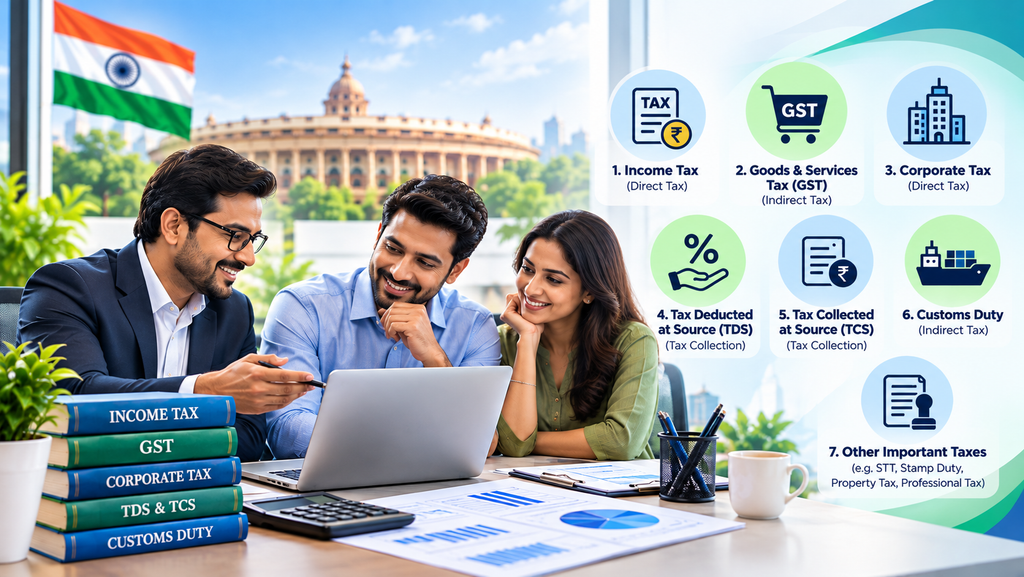
Managing accounting, taxation and statutory compliance can be time-consuming, particularly for growing businesses. Different filings have different requirements, and missing a deadline can create avoidable complications.
UMAS FINTAX Solutions provides accounting, bookkeeping, taxation, payroll and business compliance support.
Depending on your requirements, our services include:
- Income-tax return preparation and filing.
- GST registration and return filing.
- TDS and TCS compliance support.
- Accounting and bookkeeping services.
- Payroll processing and related statutory compliance.
- Company registration and ongoing compliance assistance.
Whether you are starting a business or managing an established company, maintaining accurate accounts and reviewing tax obligations regularly can make compliance more manageable.
If you need assistance with accounting, GST, income tax or payroll compliance, contact UMAS FINTAX Solutions to discuss your requirements.
Frequently Asked Questions
What are the main types of taxes in India?
The two broad categories are direct taxes and indirect taxes. Income tax and corporate tax are examples of direct taxes, while GST and customs duty are examples of indirect taxes. Other taxes and duties apply to particular transactions and activities.
Is GST a direct tax or an indirect tax?
GST is an indirect tax on the supply of goods and services, subject to the applicable GST legislation.
What is the difference between TDS and TCS?
TDS generally involves deducting tax from specified payments. TCS generally involves collecting tax in specified transactions. The applicable requirements depend on the relevant provisions.
Do small businesses need to register for GST?
Not every small business is required to register. Registration depends on factors such as turnover, the nature of supplies, the state or territory involved and specific statutory conditions. Businesses should check the applicable rules before deciding whether registration is required.
How can I manage my tax compliance more effectively?
Maintain accurate books of account, reconcile transactions regularly, track filing deadlines and review the tax provisions relevant to your business. A qualified tax professional can help you understand your obligations and identify compliance gaps.
Conclusion
The Indian taxation system covers several types of taxes, each serving a different purpose. Income tax and corporate tax relate to taxable income, GST applies to supplies of goods and services, and TDS and TCS help collect tax through specified transactions. Customs duty and other taxes apply in particular circumstances.
For individuals, understanding these taxes helps with financial planning and filing obligations. For businesses, proper accounting and timely compliance are essential for maintaining reliable records and avoiding preventable problems.
UMAS FINTAX Solutions can assist businesses with accounting, bookkeeping, income tax, GST, payroll and related compliance services.
Disclaimer: This article is for general educational purposes only and should not be treated as individual tax advice. Tax provisions, rates, thresholds and filing requirements may change. Please verify the rules applicable to your circumstances with the relevant government authority or a qualified tax professional.